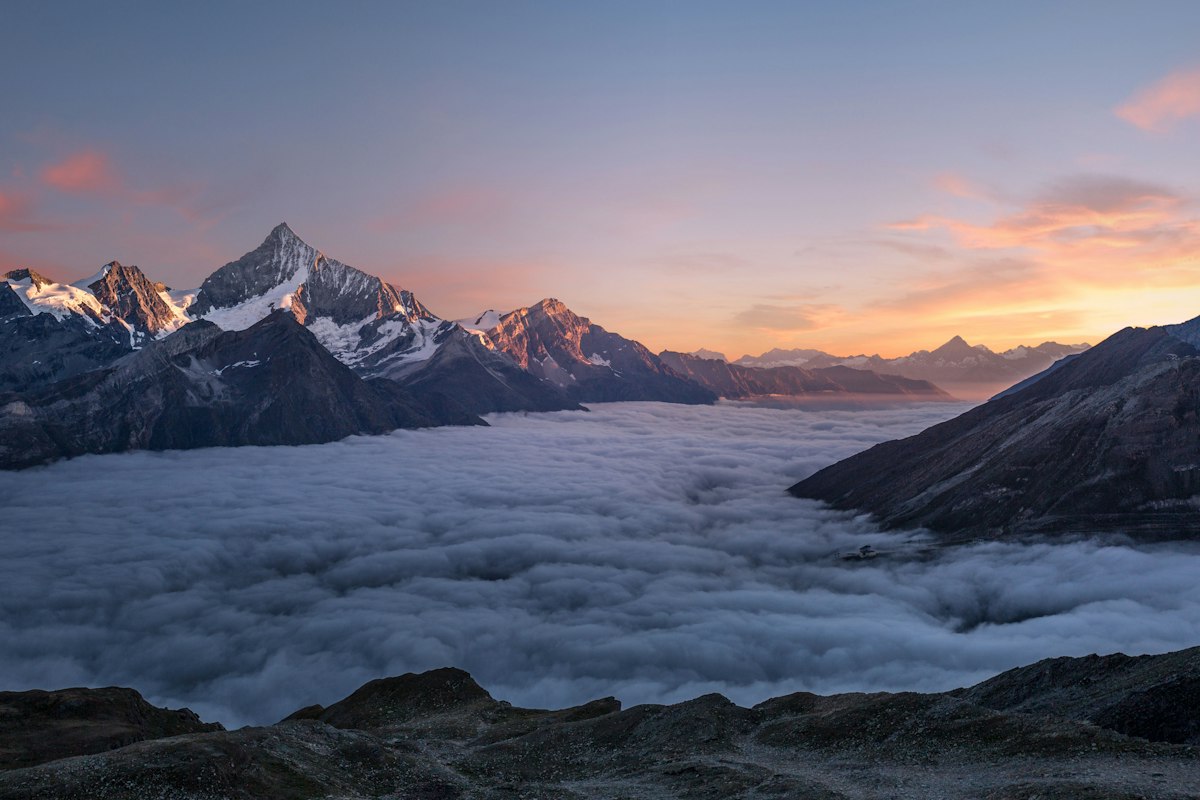
Few places on Earth stop you in your tracks the way Banff does. Nestled in the Canadian Rockies of Alberta, Banff National Park is a 6,641 km² wilderness of impossible turquoise lakes, ancient glaciers, emerald forests, and jagged mountain peaks that look almost too dramatic to be real. It's Canada's oldest national park — established in 1885 — and consistently ranks among the most visited national parks on the planet. And yet, despite its fame, Banff has a way of making you feel completely alone with the mountains.
Whether you're planning a summer hike to Moraine Lake, a winter ski trip to Lake Louise Ski Resort, or a classic road trip along the legendary Icefields Parkway, this guide covers everything you need to plan your perfect Banff adventure.
Why Visit Banff?
Banff isn't just a park — it's a UNESCO World Heritage Site, part of the Canadian Rocky Mountain Parks designation. The combination of accessibility (Calgary is just 90 minutes away) and raw natural beauty is almost unmatched anywhere in the world. You can wake up in a luxury hotel in Banff Town, drive 15 minutes, and be standing at the edge of one of the most photographed lakes on Earth.
When to Visit Banff
Summer (June–August) is peak season — mild temperatures (15–25°C), all trails open, wildflowers in bloom, and the lakes at their most vibrant. Book accommodation 3–6 months in advance. Moraine Lake Road requires advance shuttle reservations; no private vehicles in peak season.
Shoulder Season (May, September–October) is arguably the sweet spot. Late September delivers golden larch trees on the Valley of Ten Peaks, fewer crowds, and lower prices — many consider it the best single time to visit. May brings snowmelt and rising lakes but higher trails remain icy.
Winter (November–March) transforms Banff entirely. World-class skiing at Lake Louise and Sunshine Village, the Banff Ice Magic Festival in January, and the Banff Upper Hot Springs steam against mountain snowscapes. Temperatures drop to -20°C — layer up.
Spring (April–May) is the quietest, most affordable season. Many trails remain snowbound but elk calves and bear cubs start appearing by May.
Moraine Lake
If you've ever seen a Canadian banknote (the old $20 bill), you've seen Moraine Lake. This impossibly blue glacially-fed lake sits at 1,885 metres in the Valley of Ten Peaks. The view from the Rockpile is one of the most photographed in North America.
Since 2022, Parks Canada has banned private vehicles on Moraine Lake Road during peak season. You'll need to book a Parks Canada shuttle from Lake Louise Ski Resort — these sell out weeks in advance. Book as soon as reservations open each spring.
The Consolation Lakes Trail (5.8km return, easy) is a perfect short hike from the lakeshore. The Larch Valley Trail (11.4km return, moderate) through golden larches in September is considered one of the finest autumn hikes anywhere in the world.
Lake Louise

Larger and more accessible than Moraine, Lake Louise shifts from deep teal to vivid aquamarine by August. The Fairmont Chateau Lake Louise stands watch on the shore with the Victoria Glacier behind it.
The Plain of Six Glaciers Trail (14.4km return) climbs from the lakeshore to a historic teahouse with glacier views. The Lake Agnes Trail (7.4km return) ends at another teahouse above a mountain lake. Both teahouses are cash only and close by late October.
In winter, Lake Louise freezes and the Fairmont maintains it as an outdoor skating rink. The surrounding slopes become Lake Louise Ski Resort — 4,200 acres and 1,000m vertical drop.
The Icefields Parkway
The 232km Highway 93 between Lake Louise and Jasper is one of the greatest drives in the world. Key stops:
- Bow Lake — Pale-blue glacial lake with views of Crowfoot Glacier. Bow Glacier Falls Trail (9km return) is one of the most underrated hikes in the Rockies.
- Peyto Lake — The wolf-shaped lake from the Bow Summit viewpoint at 2,069m — Canada's highest paved road.
- Columbia Icefield & Athabasca Glacier — Largest icefield in the Rockies (325 km²). Walk to the glacier edge for free or book a Glacier Adventure snowcoach tour onto the ice.
- Athabasca Falls — The Rockies' most powerful waterfall. Short walk from the parking lot, incredibly photogenic.
Allow a full day minimum — ideally two. Fuel up in Lake Louise before departing.
Best Hiking Trails
Banff has over 1,600km of maintained trails.
Easy: Bow River Loop (5km, flat riverside trail through town), Johnston Canyon Lower Falls (2.6km, canyon catwalk to a 10m waterfall — one of Canada's most popular short hikes), Fenland Trail (2km loop, excellent for wildlife at dawn).
Moderate: Tunnel Mountain (4.8km return, panoramic Bow Valley views), Sulphur Mountain (11km return or gondola — views of six mountain ranges), Plain of Six Glaciers (14.4km), Johnston Canyon to Inkpots (11.6km, six mineral spring pools).
Challenging: Sentinel Pass via Larch Valley (14km return from Moraine Lake — highest trail-accessible pass in Banff at 2,611m), Ha Ling Peak (6km return, 700m gain, stunning views of Canmore and the Three Sisters).
Backcountry: The Skoki Loop (54km, 3–4 days) through high alpine terrain to historic Skoki Lodge — one of the most revered backcountry routes in the Canadian Rockies.
Wildlife
Banff has 56 mammal species and 280 bird species. Elk roam through Banff Town — during the September rut, bulls spar on the golf course. Stay 30 metres away. Grizzly and black bears are regularly spotted along the Bow Valley Parkway after April. Carry bear spray — required in the backcountry and smart everywhere. Wolves from the Bow Valley Pack are spotted near the Parkway at dawn and dusk. Bighorn sheep, mountain goats, moose, and coyotes are common throughout.
Skiing & Winter Activities

The SkiBig3 pass covers Lake Louise (4,200 acres, 1,000m vertical), Sunshine Village (9m average annual snowfall, open until late May), and Mount Norquay — over 8,000 acres combined. Non-skiers: Johnston Canyon ice walk (ethereal in winter), dog sledding, fat biking, snowshoeing, and the Banff Upper Hot Springs thermal pools (open year-round, magical in a snowstorm).
Where to Stay
Luxury: Fairmont Banff Springs ($600–$1,200+ CAD/night) — the "Castle in the Rockies," 764 rooms, world-class spa. Fairmont Chateau Lake Louise ($700–$1,400+ CAD/night), direct glacier views.
Mid-range ($180–$400 CAD/night): Moose Hotel & Suites (rooftop hot pools), Elk + Avenue Hotel, Banff Caribou Lodge. Book 2–3 months ahead for summer.
Budget ($40–$120 CAD/night): HI Banff Alpine Centre (excellent hostel, dorm and private rooms), Tunnel Mountain Resort campground (5 minutes from town).
Budget Breakdown
Park entry: C$10.50/adult/day, or C$72.25 for an annual Discovery Pass (covers all Canadian national parks — great value).
Budget (C$100–150/day): HI hostel dorm, self-catering groceries, hiking, shuttle to Moraine Lake.
Mid-range (C$250–400/day): Mid-range hotel, restaurant lunch, one paid activity (gondola ~$60, hot springs ~$15, ice walk ~$35).
Luxury (C$600+/day): Fairmont, fine dining, ski lift pass (C$130–165/day), Athabasca Glacier snowcoach (C$67).
Getting There
Calgary International Airport (YYC) is 128km east — about 90 minutes on the Trans-Canada Highway. A rental car is the most flexible option and essential for the Icefields Parkway. Brewster Express and Banff Airporter run direct shuttles from Calgary Airport (~C$50–65 one way). A Parks Canada vehicle permit (C$10.50/day) is required — purchase online or at park gates.
Photography Tips

The turquoise lakes are best photographed in the first two hours after sunrise. The Rockpile at Moraine Lake faces east — arrive before 7am. For aurora photography (September–March), drive to Vermilion Lakes just west of town. The three shallow lakes reflect the Rockies in extraordinary night sky conditions.
Combining Banff with Jasper
Banff and Jasper are connected by the Icefields Parkway — a combined visit is a natural choice. A 7–10 day road trip with 2–3 nights in Banff Town, 1–2 nights near Lake Louise, a day on the Parkway, and 2–3 nights in Jasper is one of the great North American road trips. Jasper is wilder, quieter, and home to one of the world's largest dark sky preserves.
Use Atlas AI to build your complete Banff + Jasper itinerary in seconds — day-by-day schedule, hotel picks, budget breakdown, and visa info for Canada.


Comments