 Destination Guides
🏖️ Cox's Bazar Complete Travel Guide: World's Longest Natural Sea Beach (2026)
April 5, 2026
10 min read
🏖️ 120km Beach🏝️ St. Martins Island🦞 Fresh seafood🕌 Ramu Monastery🌊 Inani Beach
Must seeInani + St. Martins
Best seasonOctober–March
Beach length120 km world longest
Budget per dayBDT 1500–2500
Flight from Dhaka45 minutes
⚠️
Visa rules vary by passport. The info above is a general overview — requirements differ significantly by nationality. Use Atlas AI to get accurate visa rules for your specific passport.
🇬🇧 English ▾
🇬🇧 English
🇧🇩 বাংলা
🇮🇳 हिंदी
🇸🇦 العربية
🇨🇳 中文
🇯🇵 日本語
🇰🇷 한국어
🇪🇸 Español
🇫🇷 Français
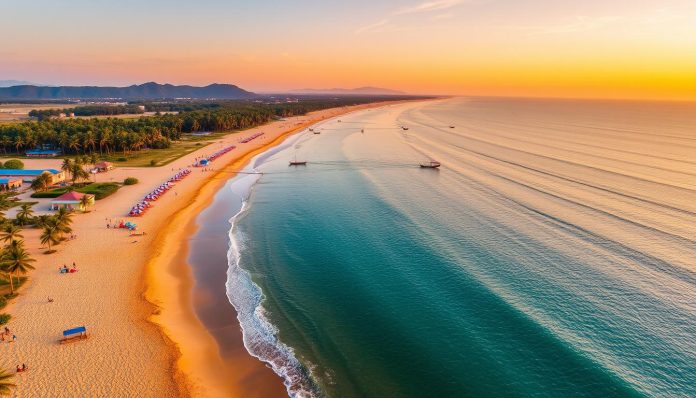
Cox's Bazar stretches 120 unbroken kilometres along Bangladesh's southern coast — the longest natural sea beach on earth. That is not a marketing claim or a rounding error. It is longer than the entire coastline of many countries. Standing at the water's edge at Inani and looking north, the beach disappears into a blue haze before it ends. This place is genuinely extraordinary, and most of the world has never heard of it.
120 unbroken kilometres — the world's longest natural sea beach
The History of Cox's Bazar
The town is named after Captain Hiram Cox, a British East India Company officer appointed in 1798 to manage the resettlement of Arakanese refugees who had fled Burma. Cox died before completing his work, and a market was established in his memory — Cox's Bazar, the bazaar of Cox. Long before the British, the area was inhabited by Rakhine people (called Magh in Bengali) and Rohingya communities, and the coastline was used by traders moving between Bengal and Southeast Asia.
The beach itself was largely unknown outside Bangladesh until the 1980s, when it began appearing in domestic travel magazines. Tourism infrastructure developed slowly through the 1990s. Today Cox's Bazar is Bangladesh's most visited domestic destination, receiving millions of visitors each year — and yet it remains almost entirely undiscovered by international tourists, which means prices stay low, crowds are manageable outside Bangladeshi holidays, and the beach retains a raw, unhurried quality that more famous beaches lost decades ago.
The Beach in Detail
Laboni Beach — The Tourist Centre
The northern stretch around Cox's Bazar town is the busiest — parasailing, beach vendors, horse rides, and the organised chaos of a popular domestic resort. Sunsets here are spectacular, and the energy is festive. Best for first-timers and families. Walk south from Laboni and within 15 minutes the crowds thin dramatically.
Himchori — Where a Waterfall Meets the Sea
Twelve kilometres south of town, a seasonal waterfall cascades down jungle-covered hills directly onto the beach. This is genuinely unusual geography — a waterfall meeting the ocean — and the surrounding hills are the beginning of the Chittagong Hill Tracts ecosystem. Much less crowded than Laboni. An auto-rickshaw from town costs about BDT 150–200 return.
Inani Beach — The Most Beautiful Stretch
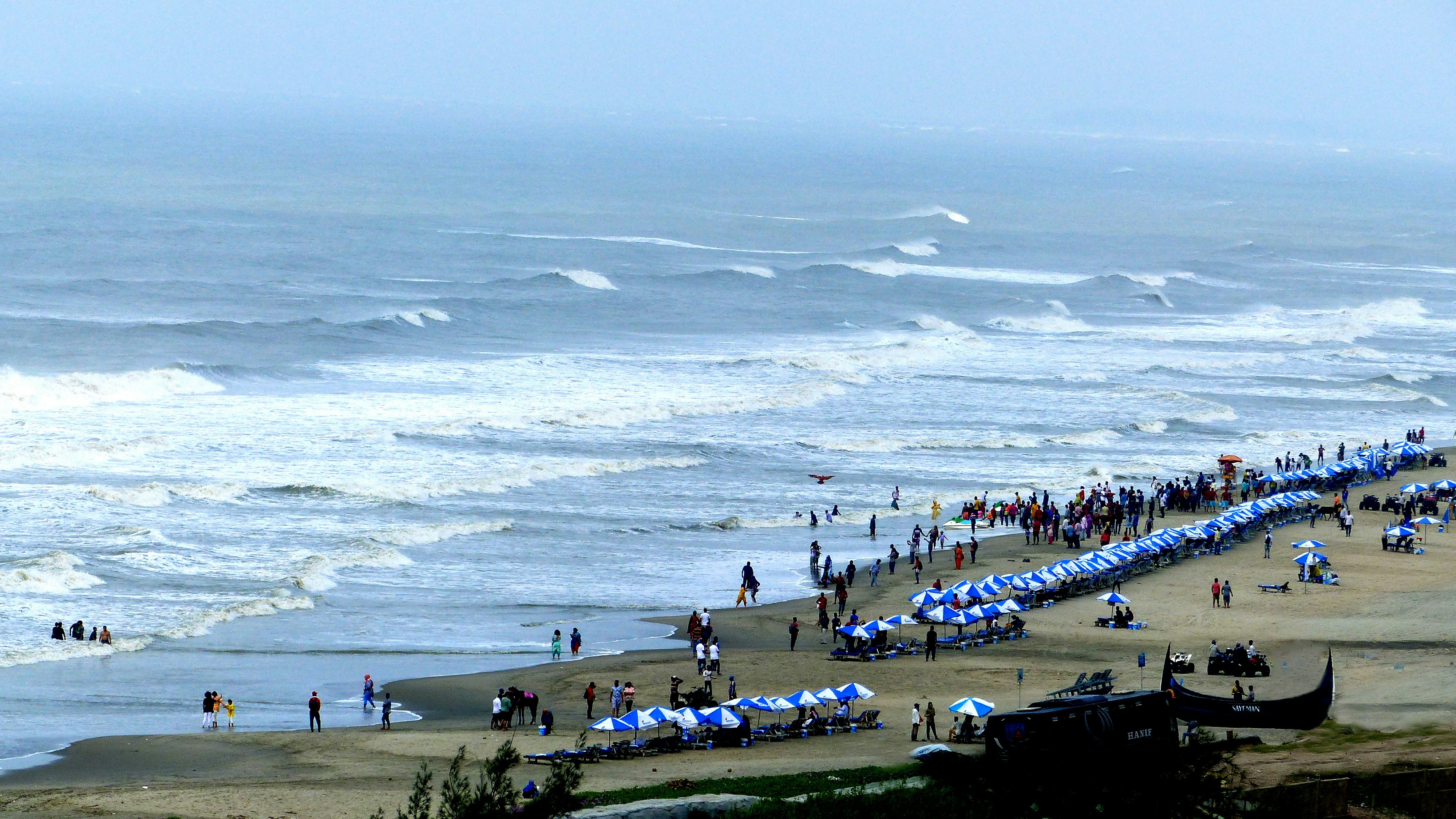
Twenty-seven kilometres south of Cox's Bazar town, Inani is where the beach changes character entirely. The sand is compacted and golden, and at low tide enormous smooth boulders emerge from the water — chocolate-coloured, weathered, scattered along the shore in patterns that look almost arranged. This is the stretch that appears in photographs. The water is calmer here, the crowds are thin on weekdays, and a row of small restaurants serves fresh seafood grilled over charcoal. Truly one of the most beautiful beaches in South Asia.

Inani Beach — smooth boulders, golden sand, and crystal water at low tide
St. Martin's Island — Bangladesh's Only Coral Island
Nine kilometres south of the tip of the Cox's Bazar peninsula, St. Martin's is Bangladesh's only coral island — and the country's most beloved natural treasure. The island is about 8 square kilometres, home to around 7,000 permanent residents, and surrounded by clear shallow water over coral reef. Snorkelling directly from the beach reveals parrotfish, sea turtles, and the vivid architecture of living coral.
Getting there: a government-operated wooden ferry runs from Teknaf (60km south of Cox's Bazar town) during the season. The crossing takes 2.5–3 hours and costs BDT 400–600 one way. Speedboat options are faster but more expensive. The island is only accessible October–March — in the monsoon months, sea conditions are dangerously rough and boats stop running entirely.
Stay overnight if you can. After the day-trippers leave in the afternoon, the island becomes extraordinarily peaceful — fishermen hauling nets at sunset, fresh crab for dinner, stars visible with unusual brightness over the dark water.
Hidden Gems
Teknaf Wildlife Sanctuary
The strip of hills between Cox's Bazar and the Myanmar border contains one of Bangladesh's last surviving lowland tropical forests — the Teknaf Wildlife Sanctuary. Asian elephants, leopards, deer, and hundreds of bird species live here. The sanctuary is rarely visited by tourists despite being easily accessible. A guide is essential (arrange in Teknaf town) and the experience — birdsong, butterflies, forest trails with the smell of wild elephant — is completely at odds with what most people expect from Cox's Bazar.
Ramu Buddhist Temples
The small town of Ramu, 10km east of Cox's Bazar, has a substantial Rakhine Buddhist community and contains some of Bangladesh's finest Buddhist temples, decorated with Burmese-style craftsmanship and housing ancient Buddha statues. Almost no international tourists visit. The temples were damaged by a sectarian attack in 2012 but have been substantially restored. Respectful visitors are welcome.
Food in Cox's Bazar
Cox's Bazar has the freshest seafood in Bangladesh, full stop. Every morning, fishing boats return to the Cox's Bazar fishing harbour loaded with the previous night's catch. The harbour itself is worth visiting at dawn — hundreds of brightly painted wooden trawlers, enormous catches of hilsa, pomfret, snapper, and lobster being sorted and iced on the docks.
- Shutki Bhorta: Sun-dried fish (shutki) mashed with mustard oil, green chilli, and onion. The smell is confrontational; the taste is extraordinary. This is Cox's Bazar's defining local dish.
- Hilsa curry: Bangladesh's national fish, in season October–January, cooked with mustard and turmeric. The best versions are in small local restaurants off the tourist strip.
- Fresh lobster: At Inani Beach restaurants, a full lobster grilled over charcoal costs BDT 500–800 depending on size. Absurdly good value.
- Coconut water: Vendors on the beach charge BDT 30–50 per coconut. Drink constantly — the sun here is intense.
Best Time and How to Get There
Best time: October to March. The monsoon (April–September) brings rough seas, heavy rain, and cyclone risk. October brings the clearest skies, emptiest beaches, and the opening of the St. Martin's season.
- By Air: Cox's Bazar Airport (CXB) — direct from Dhaka, 45 minutes. BDT 3,000–8,000 one way. US Bangla, Biman, Novoair all serve the route.
- By AC Bus: Overnight from Dhaka, BDT 700–1,200, 8–10 hours. Shohagh, Green Line, Hanif — book the evening departure, arrive at dawn.
Quick Tips
- Book St. Martin's ferry tickets in advance during peak season (December–January)
- Hire a local guide for Teknaf Wildlife Sanctuary — essential for wildlife spotting
- Inani Beach is worth the 27km trip from town — do not skip it
- Avoid Bangladeshi public holidays (Eid, national holidays) when the beach gets extremely crowded
- Modest dress outside the tourist beach areas is appreciated
- Budget: BDT 1,500–2,500/day (budget) or BDT 3,500–6,000/day (mid-range)
কক্সবাজার বাংলাদেশের দক্ষিণ উপকূল ধরে ১২০ কিলোমিটার অবিচ্ছিন্নভাবে বিস্তৃত — পৃথিবীর দীর্ঘতম প্রাকৃতিক সমুদ্র সৈকত। এটা কোনো বিজ্ঞাপনের অতিরঞ্জন নয়, হিসেবের ভুলও নয়। এটা অনেক দেশের সম্পূর্ণ উপকূলরেখার চেয়েও লম্বা। ইনানীতে জলের কিনারায় দাঁড়িয়ে উত্তরে তাকালে সৈকত শেষ হওয়ার আগেই নীল কুয়াশায় মিলিয়ে যায়। এই জায়গাটা সত্যিই অসাধারণ — আর পৃথিবীর বেশিরভাগ মানুষ এর নাম কখনো শোনেনি।

১২০ কিলোমিটার অবিচ্ছিন্ন — পৃথিবীর দীর্ঘতম প্রাকৃতিক সমুদ্র সৈকত
কক্সবাজারের ইতিহাস
শহরটির নাম ক্যাপ্টেন হিরাম কক্সের নামে রাখা হয়েছে — ব্রিটিশ ইস্ট ইন্ডিয়া কোম্পানির এক অফিসার যাকে ১৭৯৮ সালে বার্মা থেকে পালিয়ে আসা আরাকানি শরণার্থীদের পুনর্বাসনের ব্যবস্থাপনার জন্য নিয়োগ দেওয়া হয়েছিল। কক্স কাজ শেষ করার আগেই মারা যান, এবং তার স্মরণে একটি বাজার প্রতিষ্ঠিত হয় — কক্সবাজার। ব্রিটিশদের আসার অনেক আগে থেকেই এই অঞ্চলে রাখাইন জনগোষ্ঠী (বাংলায় মাঘ নামে পরিচিত) এবং রোহিঙ্গা সম্প্রদায়ের বাস ছিল, আর এই উপকূল ব্যবহার করতেন বঙ্গ ও দক্ষিণ-পূর্ব এশিয়ার মধ্যে চলাচলকারী ব্যবসায়ীরা।
১৯৮০-এর দশকের আগে এই সৈকত বাংলাদেশের বাইরে প্রায় অজানা ছিল, সেই সময় থেকে দেশীয় ভ্রমণ পত্রিকায় এটির উল্লেখ শুরু হয়। ১৯৯০-এর দশক জুড়ে পর্যটন অবকাঠামো ধীরে ধীরে গড়ে ওঠে। আজ কক্সবাজার বাংলাদেশের সবচেয়ে বেশি পরিদর্শিত দেশীয় গন্তব্য — প্রতি বছর লক্ষ লক্ষ দর্শনার্থী আসেন — তবুও আন্তর্জাতিক পর্যটকদের কাছে এটা এখনো প্রায় সম্পূর্ণ অনাবিষ্কৃত, যার মানে হলো দাম কম থাকে, বাংলাদেশি ছুটির দিনগুলোর বাইরে ভিড় সামলানোযোগ্য থাকে, এবং সৈকত সেই অকৃত্রিম, তাড়াহীন বৈশিষ্ট্য ধরে রাখে যা আরও বিখ্যাত সৈকতগুলো দশকের পর দশক আগে হারিয়ে ফেলেছে।
সৈকতের বিস্তারিত পরিচয়
লাবণী বিচ — পর্যটন কেন্দ্র
কক্সবাজার শহরের আশপাশে উত্তরের অংশটা সবচেয়ে ব্যস্ত — প্যারাসেলিং, সৈকতের হকার, ঘোড়ায় চড়া, এবং জনপ্রিয় দেশীয় রিসোর্টের সুশৃঙ্খল বিশৃঙ্খলা। এখানকার সূর্যাস্ত অসাধারণ, পরিবেশ উৎসবমুখর। প্রথমবার আসা পর্যটক ও পরিবারের জন্য সেরা। লাবণী থেকে দক্ষিণে হাঁটুন, ১৫ মিনিটেই ভিড় নাটকীয়ভাবে পাতলা হয়ে যায়।
হিমছড়ি — যেখানে ঝরনা সমুদ্রে মেলে
শহর থেকে বারো কিলোমিটার দক্ষিণে, একটি মৌসুমি ঝরনা জঙ্গল-ঢাকা পাহাড় থেকে সরাসরি সৈকতে ঝরে পড়ে। এটা সত্যিই অস্বাভাবিক ভূগোল — একটা ঝরনা সমুদ্রে মিলছে — আর আশপাশের পাহাড়গুলো চট্টগ্রাম পার্বত্য অঞ্চলের বাস্তুতন্ত্রের শুরু। লাবণীর চেয়ে অনেক কম ভিড়। শহর থেকে অটোরিকশায় যাওয়া-আসা প্রায় ১৫০–২০০ টাকা।
ইনানী বিচ — সবচেয়ে সুন্দর অংশ
কক্সবাজার শহর থেকে সাতাশ কিলোমিটার দক্ষিণে ইনানীতে সৈকতের চরিত্র সম্পূর্ণ বদলে যায়। বালি শক্ত ও সোনালি, এবং ভাটার সময় বিশাল মসৃণ পাথরগুলো জল থেকে বেরিয়ে আসে — চকোলেট রঙের, আবহাওয়ায় ক্ষয়পাওয়া, কিনারা বরাবর প্রায় পরিকল্পিতভাবে সাজানো বলে মনে হয়। ছবিতে যে সৈকত দেখা যায় সেটা এটাই। এখানে জল শান্ত, সপ্তাহের দিনগুলোতে ভিড় কম, আর একটা সারিবদ্ধ ছোট রেস্তোরাঁ কাঠকয়লায় ঝলসানো তাজা সামুদ্রিক খাবার পরিবেশন করে। সত্যিকারের অর্থেই দক্ষিণ এশিয়ার অন্যতম সুন্দর সৈকত।

ইনানী বিচ — মসৃণ পাথর, সোনালি বালি, এবং ভাটার সময় স্ফটিক-স্বচ্ছ জল
সেন্ট মার্টিন দ্বীপ — বাংলাদেশের একমাত্র প্রবাল দ্বীপ
কক্সবাজার উপদ্বীপের নোক থেকে নয় কিলোমিটার দক্ষিণে সেন্ট মার্টিন — বাংলাদেশের একমাত্র প্রবাল দ্বীপ এবং দেশের সবচেয়ে প্রিয় প্রাকৃতিক সম্পদ। দ্বীপটা প্রায় ৮ বর্গকিলোমিটার, প্রায় ৭,০০০ স্থায়ী বাসিন্দা আছে, এবং প্রবাল প্রাচীরের ওপর স্বচ্ছ অগভীর জলে ঘেরা। সৈকত থেকে সরাসরি স্নোরকেলিং করলে তোতা মাছ, সামুদ্রিক কচ্ছপ, এবং জীবন্ত প্রবালের উজ্জ্বল স্থাপত্য দেখা যায়।
কীভাবে পৌঁছাবেন: সিজনে টেকনাফ থেকে (কক্সবাজার শহর থেকে ৬০ কিমি দক্ষিণে) সরকার পরিচালিত কাঠের ফেরি চলে। পারাপারে ২.৫–৩ ঘণ্টা লাগে এবং একমুখী ভাড়া ৪০০–৬০০ টাকা। স্পিডবোট বিকল্প দ্রুত কিন্তু ব্যয়বহুল। দ্বীপে শুধু অক্টোবর–মার্চে যাওয়া যায় — বর্ষা মাসে সমুদ্র বিপজ্জনকভাবে উত্তাল হয় এবং নৌকা চলাচল সম্পূর্ণ বন্ধ হয়ে যায়।
পারলে একরাত থাকুন। বিকেলে দিনে-আসা পর্যটকরা চলে গেলে দ্বীপটা অসাধারণ শান্ত হয়ে যায় — সূর্যাস্তে জাল টানা মৎস্যজীবী, রাতের খাবারে তাজা কাঁকড়া, গভীর জলের ওপর অস্বাভাবিক উজ্জ্বলতায় দেখা তারা।
লুকানো রত্নসমূহ
টেকনাফ বন্যপ্রাণী অভয়ারণ্য
কক্সবাজার ও মিয়ানমার সীমান্তের মাঝের পাহাড়ের এই ফালিতে বাংলাদেশের শেষ টিকে থাকা নিম্নভূমির গ্রীষ্মমণ্ডলীয় বনগুলোর একটি আছে — টেকনাফ বন্যপ্রাণী অভয়ারণ্য। এশিয়ান হাতি, চিতাবাঘ, হরিণ, এবং শত শত পাখি প্রজাতি এখানে বাস করে। সহজে পৌঁছানো যায় সত্ত্বেও পর্যটকরা খুব কমই এখানে আসেন। গাইড অপরিহার্য (টেকনাফ শহরে ব্যবস্থা করুন) এবং অভিজ্ঞতাটা — পাখির গান, প্রজাপতি, বুনো হাতির গন্ধ মাখা বনপথ — কক্সবাজার সম্পর্কে বেশিরভাগ মানুষের প্রত্যাশার সঙ্গে সম্পূর্ণ বেমানান।
রামু বৌদ্ধ মন্দির
কক্সবাজার থেকে ১০ কিমি পূর্বে ছোট্ট শহর রামুতে একটি বড় রাখাইন বৌদ্ধ সম্প্রদায় আছে এবং বার্মিজ শৈলীর কারুকাজে সজ্জিত ও প্রাচীন বুদ্ধ মূর্তি ধারণকারী বাংলাদেশের সেরা কিছু বৌদ্ধ মন্দির এখানে। প্রায় কোনো আন্তর্জাতিক পর্যটক আসেন না। ২০১২ সালের সাম্প্রদায়িক হামলায় মন্দিরগুলো ক্ষতিগ্রস্ত হলেও উল্লেখযোগ্যভাবে পুনরুদ্ধার করা হয়েছে। বিনয়ী দর্শনার্থীরা স্বাগত।
কক্সবাজারের খাবার
কক্সবাজারে বাংলাদেশের সবচেয়ে তাজা সামুদ্রিক খাবার পাওয়া যায়, এটা নিশ্চিত। প্রতিদিন সকালে মাছ ধরার নৌকাগুলো আগের রাতের জলের শিকার ভর্তি করে কক্সবাজার মৎস্য বন্দরে ফেরে। ভোরে বন্দরটা নিজেই দেখার মতো — শত শত রঙিন কাঠের ট্রলার, ঘাটে বাছাই ও বরফ দেওয়া হচ্ছে ইলিশ, পাম্পলেট, স্ন্যাপার আর লবস্টারের বিশাল স্তূপ।
- শুঁটকি ভর্তা: রোদে শুকানো মাছ (শুঁটকি) সরিষার তেল, কাঁচামরিচ ও পেঁয়াজ দিয়ে মাখানো। গন্ধটা তীব্র; স্বাদটা অসাধারণ। এটাই কক্সবাজারের সংজ্ঞায়িত স্থানীয় খাবার।
- ইলিশ কারি: বাংলাদেশের জাতীয় মাছ, অক্টোবর–জানুয়ারিতে মৌসুমে, সরিষা ও হলুদ দিয়ে রান্না। সেরা সংস্করণ পর্যটক এলাকার বাইরে ছোট স্থানীয় রেস্তোরাঁয়।
- তাজা লবস্টার: ইনানী বিচের রেস্তোরাঁয় কাঠকয়লায় ঝলসানো একটা পুরো লবস্টার আকারভেদে ৫০০–৮০০ টাকা। অবিশ্বাস্যরকম সস্তা।
- ডাবের পানি: সৈকতের হকাররা প্রতিটি ডাব ৩০–৫০ টাকায় বেচেন। ক্রমাগত পান করুন — এখানকার রোদ প্রচণ্ড।
সেরা সময় ও কীভাবে যাবেন
সেরা সময়: অক্টোবর থেকে মার্চ। বর্ষাকালে (এপ্রিল–সেপ্টেম্বর) সমুদ্র উত্তাল, ভারী বৃষ্টি ও ঘূর্ণিঝড়ের ঝুঁকি থাকে। অক্টোবরে আকাশ সবচেয়ে পরিষ্কার, সৈকত সবচেয়ে ফাঁকা, এবং সেন্ট মার্টিন সিজন শুরু হয়।
- বিমানে: কক্সবাজার বিমানবন্দর (CXB) — ঢাকা থেকে সরাসরি, ৪৫ মিনিট। একমুখী ৩,০০০–৮,০০০ টাকা। US বাংলা, বিমান, নভোএয়ার সবাই এই রুটে চলাচল করে।
- এসি বাসে: ঢাকা থেকে রাতের বাস, ৭০০–১,২০০ টাকা, ৮–১০ ঘণ্টা। শোহাঘ, গ্রিন লাইন, হানিফ — সন্ধ্যার বাস ধরুন, ভোরে পৌঁছান।
দ্রুত টিপস
- পিক সিজনে (ডিসেম্বর–জানুয়ারি) সেন্ট মার্টিনের ফেরি টিকিট আগেভাগে বুক করুন
- টেকনাফ বন্যপ্রাণী অভয়ারণ্যের জন্য স্থানীয় গাইড নিন — বন্যপ্রাণী দেখার জন্য অপরিহার্য
- ইনানী বিচ শহর থেকে ২৭ কিমি যাওয়ার মূল্য আছে — মিস করবেন না
- বাংলাদেশি সরকারি ছুটির দিনগুলো (ঈদ, জাতীয় ছুটি) এড়িয়ে চলুন — সৈকত তখন অত্যন্ত ভিড়
- পর্যটক সৈকত এলাকার বাইরে শালীন পোশাক পরুন
- বাজেট: ১,৫০০–২,৫০০ টাকা/দিন (সাশ্রয়ী) বা ৩,৫০০–৬,০০০ টাকা/দিন (মধ্যমান)
कॉक्स बाज़ार — बांग्लादेश के दक्षिणी तट पर फैला 120 किलोमीटर लंबा अखंड समुद्र तट। यह पृथ्वी का सबसे लंबा प्राकृतिक समुद्री तट है। यह कोई विपणन का दावा नहीं है, न ही कोई अतिशयोक्ति। यह कई देशों की पूरी तटरेखा से भी लंबा है। इनानी में पानी के किनारे खड़े होकर उत्तर की ओर देखें — तट एक नीली धुंध में विलीन हो जाता है, जहाँ नज़र नहीं पहुँचती। यह स्थान वाकई असाधारण है, और दुनिया के अधिकांश लोगों ने इसका नाम तक नहीं सुना।
120 किलोमीटर का अखंड तट — पृथ्वी का सबसे लंबा प्राकृतिक समुद्री तट
कॉक्स बाज़ार का इतिहास
इस शहर का नाम कैप्टन हिरम कॉक्स के नाम पर रखा गया है — ब्रिटिश ईस्ट इंडिया कंपनी के एक अधिकारी जिन्हें 1798 में उन अराकानी शरणार्थियों के पुनर्वास के लिए नियुक्त किया गया था जो बर्मा से भागकर आए थे। कॉक्स अपना काम पूरा करने से पहले ही चल बसे, और उनकी स्मृति में एक बाज़ार स्थापित किया गया — कॉक्स का बाज़ार, यानी Cox's Bazar। अंग्रेज़ों के आने से बहुत पहले, इस क्षेत्र में राखाइन (बंगाली में मग कहे जाने वाले) और रोहिंग्या समुदाय रहते थे, और यह तटरेखा बंगाल तथा दक्षिण-पूर्व एशिया के बीच व्यापार मार्ग के रूप में उपयोग की जाती थी।
1980 के दशक से पहले इस समुद्र तट के बारे में बांग्लादेश के बाहर बहुत कम लोग जानते थे, जब यह घरेलू यात्रा पत्रिकाओं में नज़र आने लगा। 1990 के दशक में धीरे-धीरे पर्यटन ढाँचा विकसित हुआ। आज कॉक्स बाज़ार बांग्लादेश का सबसे अधिक देखा जाने वाला घरेलू गंतव्य है, जहाँ हर साल लाखों पर्यटक आते हैं — और फिर भी यह अंतरराष्ट्रीय पर्यटकों के लिए लगभग अनजान बना हुआ है। इसका मतलब है कि कीमतें कम हैं, बांग्लादेशी छुट्टियों के बाहर भीड़ संभव है, और समुद्र तट में एक कच्चा, अनौपचारिक आकर्षण है जो अधिक प्रसिद्ध समुद्र तटों ने दशकों पहले खो दिया था।
समुद्र तट का विस्तृत परिचय
लाबोनी बीच — पर्यटन केंद्र
कॉक्स बाज़ार शहर के पास उत्तरी हिस्सा सबसे व्यस्त है — पैरासेलिंग, समुद्र तट के विक्रेता, घुड़सवारी, और एक लोकप्रिय घरेलू रिसॉर्ट की सुनियोजित अराजकता। यहाँ सूर्यास्त अद्भुत होते हैं और माहौल उत्सवी रहता है। पहली बार आने वालों और परिवारों के लिए सर्वोत्तम। लाबोनी से दक्षिण की ओर चलें और 15 मिनट के भीतर भीड़ नाटकीय रूप से कम हो जाती है।
हिमचोरी — जहाँ झरना समुद्र से मिलता है
शहर से 12 किलोमीटर दक्षिण में, एक मौसमी झरना जंगल से ढकी पहाड़ियों से सीधे समुद्र तट पर गिरता है। यह एक अनोखी भौगोलिक स्थिति है — एक झरना जो महासागर से मिलता है — और आसपास की पहाड़ियाँ चटगाँव हिल ट्रैक्स के पारिस्थितिकी तंत्र की शुरुआत हैं। लाबोनी की तुलना में बहुत कम भीड़ है। शहर से ऑटो-रिक्शा का किराया लगभग 150–200 BDT वापसी सहित है।
इनानी बीच — सबसे सुंदर हिस्सा
कॉक्स बाज़ार शहर से 27 किलोमीटर दक्षिण में, इनानी वह जगह है जहाँ समुद्र तट का स्वरूप पूरी तरह बदल जाता है। रेत दबी हुई और सुनहरी है, और कम ज्वार पर विशाल चिकने बोल्डर पानी से उभर आते हैं — चॉकलेट रंग के, तराशे हुए, ऐसे बिखरे हुए जैसे किसी ने सजाए हों। यही वह तट है जो तस्वीरों में नज़र आता है। पानी यहाँ शांत है, सप्ताह के दिनों में भीड़ कम होती है, और छोटे रेस्तराँ की एक पंक्ति लकड़ी के कोयले पर भुनी ताज़ी मछली परोसती है। यह सच में दक्षिण एशिया के सबसे खूबसूरत समुद्र तटों में से एक है।
इनानी बीच — चिकने बोल्डर, सुनहरी रेत, और कम ज्वार पर स्वच्छ पानी
सेंट मार्टिन द्वीप — बांग्लादेश का एकमात्र प्रवाल द्वीप
कॉक्स बाज़ार प्रायद्वीप के सिरे से नौ किलोमीटर दक्षिण में, सेंट मार्टिन बांग्लादेश का एकमात्र प्रवाल द्वीप है — और देश का सबसे प्रिय प्राकृतिक खज़ाना। यह द्वीप लगभग 8 वर्ग किलोमीटर का है, जहाँ लगभग 7,000 स्थायी निवासी हैं, और चारों ओर प्रवाल भित्तियों के ऊपर साफ, उथला पानी है। तट से सीधे स्नोर्कलिंग करने पर तोते जैसी मछलियाँ, समुद्री कछुए और जीवित मूंगों की रंगीन दुनिया दिखती है।
वहाँ कैसे पहुँचें: सीज़न के दौरान तकनाफ (कॉक्स बाज़ार शहर से 60 किमी दक्षिण) से सरकारी लकड़ी की नौका चलती है। यात्रा 2.5–3 घंटे लेती है और एक तरफ का किराया 400–600 BDT है। स्पीडबोट विकल्प तेज़ लेकिन महँगे हैं। द्वीप केवल अक्टूबर–मार्च में सुलभ है — मानसून के महीनों में समुद्र खतरनाक रूप से उबड़-खाबड़ होता है और नावें पूरी तरह बंद हो जाती हैं।
यदि संभव हो तो रात वहीं रुकें। दोपहर में दिन के पर्यटकों के चले जाने के बाद, द्वीप असाधारण रूप से शांत हो जाता है — सूर्यास्त पर जाल खींचते मछुआरे, रात के खाने में ताज़ा केकड़ा, और गहरे पानी के ऊपर असामान्य चमक के साथ दिखते तारे।
छुपे हुए रत्न
तकनाफ वन्यजीव अभयारण्य
कॉक्स बाज़ार और म्यांमार सीमा के बीच पहाड़ियों की यह पट्टी बांग्लादेश के अंतिम जीवित तराई उष्णकटिबंधीय जंगलों में से एक है — तकनाफ वन्यजीव अभयारण्य। यहाँ एशियाई हाथी, तेंदुए, हिरण और सैकड़ों पक्षी प्रजातियाँ रहती हैं। आसानी से सुलभ होने के बावजूद अभयारण्य पर्यटकों द्वारा बहुत कम देखा जाता है। एक स्थानीय गाइड ज़रूरी है (तकनाफ शहर में इंतज़ाम करें) और यह अनुभव — पक्षियों का गाना, तितलियाँ, जंगली हाथी की गंध के साथ जंगल की पगडंडियाँ — कॉक्स बाज़ार से अधिकांश लोगों की उम्मीदों से बिल्कुल अलग है।
रामु के बौद्ध मंदिर
कॉक्स बाज़ार से 10 किमी पूर्व में छोटा-सा शहर रामु, एक महत्वपूर्ण राखाइन बौद्ध समुदाय का घर है और इसमें बांग्लादेश के कुछ बेहतरीन बौद्ध मंदिर हैं — बर्मी शैली की कारीगरी से सजाए गए और प्राचीन बुद्ध प्रतिमाओं से युक्त। लगभग कोई अंतरराष्ट्रीय पर्यटक यहाँ नहीं आता। 2012 में एक सांप्रदायिक हमले में मंदिरों को नुकसान हुआ था लेकिन अब काफी हद तक पुनर्निर्मित हो चुके हैं। सम्मानजनक आगंतुकों का स्वागत है।
कॉक्स बाज़ार में खाना
कॉक्स बाज़ार में बांग्लादेश का सबसे ताज़ा समुद्री भोजन मिलता है — बिना किसी संदेह के। हर सुबह मछली पकड़ने वाली नावें पिछली रात के शिकार से लदी कॉक्स बाज़ार के मछली पकड़ने वाले बंदरगाह पर लौटती हैं। भोर में बंदरगाह देखना अपने आप में एक अनुभव है — सैकड़ों रंग-बिरंगे लकड़ी के ट्रॉलर, और घाटों पर बर्फ में जमाई जाती हिलसा, पोम्फ्रेट, स्नैपर और झींगे की विशाल पकड़।
- शुटकी भोर्ता: सूखी मछली (शुटकी) को सरसों के तेल, हरी मिर्च और प्याज़ के साथ मसला जाता है। इसकी गंध थोड़ी तीखी होती है; लेकिन स्वाद अद्भुत है। यह कॉक्स बाज़ार का मुख्य स्थानीय व्यंजन है।
- हिलसा करी: बांग्लादेश की राष्ट्रीय मछली, अक्टूबर–जनवरी में सीज़न में, सरसों और हल्दी के साथ पकाई जाती है। सबसे अच्छी करी पर्यटक पट्टी से हटकर छोटे स्थानीय रेस्तराँ में मिलती है।
- ताज़ा झींगा मछली: इनानी बीच के रेस्तराँ में, लकड़ी के कोयले पर भुनी पूरी झींगा मछली 500–800 BDT में मिलती है, आकार के अनुसार। अविश्वसनीय रूप से किफायती।
- नारियल पानी: समुद्र तट पर विक्रेता प्रति नारियल 30–50 BDT लेते हैं। लगातार पीते रहें — यहाँ की धूप बहुत तेज़ है।
सबसे अच्छा समय और कैसे पहुँचें
सबसे अच्छा समय: अक्टूबर से मार्च। मानसून (अप्रैल–सितंबर) में उबड़-खाबड़ समुद्र, भारी बारिश और चक्रवात का जोखिम रहता है। अक्टूबर में सबसे साफ आसमान, सबसे खाली समुद्र तट और सेंट मार्टिन का सीज़न शुरू होता है।
- हवाई मार्ग: कॉक्स बाज़ार हवाई अड्डा (CXB) — ढाका से सीधी उड़ान, 45 मिनट। एक तरफ 3,000–8,000 BDT। US-Bangla, Biman, Novoair सभी इस मार्ग पर उड़ान भरते हैं।
- AC बस से: ढाका से रात भर की यात्रा, 700–1,200 BDT, 8–10 घंटे। Shohagh, Green Line, Hanif — शाम की बस लें, भोर में पहुँचें।
त्वरित सुझाव
- पीक सीज़न (दिसंबर–जनवरी) में सेंट मार्टिन की नौका टिकट पहले से बुक करें
- तकनाफ वन्यजीव अभयारण्य के लिए स्थानीय गाइड लें — वन्यजीव देखने के लिए ज़रूरी है
- इनानी बीच शहर से 27 किमी दूर है — इसे ज़रूर देखें, चूकें नहीं
- बांग्लादेशी सार्वजनिक छुट्टियों (ईद, राष्ट्रीय अवकाश) से बचें — इन दिनों तट पर बेहद भीड़ होती है
- पर्यटक समुद्र तट क्षेत्रों के बाहर शालीन पोशाक पहनना उचित है
- बजट: 1,500–2,500 BDT/दिन (किफायती) या 3,500–6,000 BDT/दिन (मध्यम श्रेणी)
يمتد كوكس بازار على مسافة 120 كيلومتراً متواصلاً على طول الساحل الجنوبي لبنغلاديش — أطول شاطئ بحري طبيعي على وجه الأرض. ليس هذا ادعاءً دعائياً ولا خطأً في التقريب. إنه أطول من الشريط الساحلي الكامل لكثير من الدول. إذا وقفت على حافة الماء في إناني ونظرت شمالاً، يختفي الشاطئ في ضباب أزرق قبل أن ينتهي. هذا المكان استثنائي بحق، وغالبية العالم لم تسمع به قط.
120 كيلومتراً متواصلاً — أطول شاطئ بحري طبيعي في العالم
تاريخ كوكس بازار
سُمِّيت المدينة باسم الكابتن هيرام كوكس، ضابط شركة الهند الشرقية البريطانية الذي عُيِّن عام 1798م لإدارة إعادة توطين اللاجئين الأراكانيين الذين فرّوا من بورما. توفي كوكس قبل أن يُكمل عمله، فأُقيم سوق في ذكراه — كوكس بازار، سوق كوكس. قبل البريطانيين بزمن طويل، كانت المنطقة مأهولة بشعب راخين (يُعرَفون بـ"ماغ" في البنغالية) وبمجتمعات الروهينغا، وكان الساحل ممراً للتجار المتنقلين بين البنغال وجنوب شرق آسيا.
ظل الشاطئ مجهولاً إلى حد بعيد خارج بنغلاديش حتى الثمانينيات، حين بدأ يظهر في مجلات السفر المحلية. تطورت البنية التحتية السياحية ببطء خلال التسعينيات. اليوم يُعدّ كوكس بازار الوجهة الداخلية الأكثر زيارةً في بنغلاديش — ومع ذلك يظل غير مكتشف تقريباً من السياح الدوليين، مما يعني بقاء الأسعار منخفضة، وقابلية الإدارة في مواجهة الحشود خارج العطل البنغلاديشية، واحتفاظ الشاطئ بتلك الجودة الخالصة وغير المتسرعة التي فقدتها الشواطئ الأشهر منذ عقود.
الشاطئ بالتفصيل
شاطئ لابوني — مركز السياحة
الجزء الشمالي قرب مدينة كوكس بازار هو الأكثر ازدحاماً — تزلج على المظلات، وباعة متجولون، وركوب الخيل، والفوضى المنظمة لمنتجع محلي شعبي. غروب الشمس هنا مذهل والأجواء احتفالية. مثالي للزوار لأول مرة والعائلات. اسرِ جنوباً من لابوني وبعد 15 دقيقة يتناقص الازدحام تناقصاً ملحوظاً.
هيمتشوري — حيث تلتقي الشلالات بالبحر
على بُعد اثني عشر كيلومتراً جنوب المدينة، تتساقط شلالات موسمية من تلال مكسوّة بالغابات مباشرةً على الشاطئ. هذه جغرافيا نادرة حقاً — شلال يلتقي بالمحيط — والتلال المحيطة هي بداية نظام جبال شيتاغونغ البيئي. أقل ازدحاماً بكثير من لابوني. يُكلِّف التوك توك من المدينة نحو 150–200 تاكا ذهاباً وإياباً.
شاطئ إناني — أجمل الامتدادات
على بُعد سبعة وعشرين كيلومتراً جنوب مدينة كوكس بازار، يتغير الشاطئ في إناني تغيراً جذرياً. الرمال مضغوطة وذهبية، وعند الجزر تبرز من الماء صخور ضخمة ناعمة — بُنية اللون، منحوتة بفعل الزمن، مبعثرة على طول الشاطئ في تشكيلات تبدو شبه مُرتَّبة. هذا هو الامتداد الذي يظهر في الصور. المياه هنا أهدأ، الحشود شحيحة في أيام الأسبوع، وصف من المطاعم الصغيرة يقدم مأكولات بحرية طازجة مشوية على الفحم. إنه حقاً أحد أجمل الشواطئ في جنوب آسيا.

شاطئ إناني — صخور ناعمة ورمال ذهبية ومياه كريستالية عند الجزر
جزيرة سانت مارتن — جزيرة المرجان الوحيدة في بنغلاديش
على بُعد تسعة كيلومترات جنوب طرف شبه جزيرة كوكس بازار، تقع سانت مارتن، جزيرة المرجان الوحيدة في بنغلاديش وأعز كنوزها الطبيعية. مساحة الجزيرة نحو 8 كيلومترات مربعة، تضم نحو 7000 ساكن دائم، وتحيط بها مياه ضحلة صافية فوق شعاب مرجانية. الغطس من الشاطئ مباشرةً يكشف عن أسماك ببغاء وسلاحف بحرية والهندسة الزاهية للشعاب الحية.
كيف تصل: تنطلق عبّارة خشبية تديرها الحكومة من تكناف (60 كم جنوب مدينة كوكس بازار) خلال الموسم. تستغرق العبور 2.5–3 ساعات وتُكلِّف 400–600 تاكا باتجاه واحد. خيارات القوارب السريعة أسرع لكنها أغلى. الجزيرة لا تُعدّ في متناول الزائرين إلا من أكتوبر إلى مارس — في أشهر الموسون تكون أحوال البحر خطيرة وتتوقف القوارب كلياً.
أقِم ليلة واحدة إن أمكن. بعد مغادرة المتنزهين من النهار في المساء، تتحول الجزيرة إلى هدوء استثنائي — صيادون يسحبون شباكهم عند الغروب، سلطعون طازج على العشاء، ونجوم تتجلى بوضوح غير مألوف فوق الماء المعتم.
جواهر خفية
محمية الحياة البرية في تكناف
يحتضن الشريط الجبلي بين كوكس بازار والحدود الميانمارية أحد آخر الغابات الاستوائية المنخفضة الباقية في بنغلاديش — محمية الحياة البرية في تكناف. الفيلة الآسيوية والفهود والغزلان ومئات من أنواع الطيور تعيش هنا. نادراً ما يزور السياح المحمية رغم سهولة الوصول إليها. دليل متمرس ضروري (يُنظَّم في مدينة تكناف) والتجربة — تغريد الطيور والفراشات ومسارات الغابات برائحة الفيلة البرية — تناقض تماماً ما يتوقعه معظم الناس من كوكس بازار.
المعابد البوذية في رامو
تمتلك بلدة رامو الصغيرة، على بُعد 10 كم شرق كوكس بازار، مجتمعاً بوذياً راخينياً كبيراً وتضم بعضاً من أجمل المعابد البوذية في بنغلاديش، مزيَّنة بحرفية على الطراز البورمي وتحتضن تماثيل بوذا القديمة. لا يكاد يزورها أي سائح دولي. أُلحق بالمعابد ضرر في هجوم طائفي عام 2012م لكنها أُعيد ترميمها إلى حد بعيد. الزوار المحترمون مرحَّب بهم.
الطعام في كوكس بازار
يمتلك كوكس بازار أطازج المأكولات البحرية في بنغلاديش بلا منازع. كل صباح تعود قوارب الصيد إلى الميناء محمَّلةً بصيد الليلة الماضية. الميناء نفسه يستحق الزيارة عند الفجر — مئات القوارب الخشبية الملوَّنة، وكميات هائلة من سمك الهيلسا والبومفريت وسمك الفرخ وجراد البحر تُفرز وتُبرَّد على الأرصفة.
- شوتكي بهورتا: سمك مجفف بالشمس (شوتكي) يُسحق مع زيت الخردل والفلفل الأخضر والبصل. رائحته صادمة؛ أما طعمه فاستثنائي. هذا هو الطبق المحلي المميز لكوكس بازار.
- كاري الهيلسا: سمكة بنغلاديش الوطنية، في موسمها من أكتوبر إلى يناير، تُطهى بالخردل والكركم. أفضل نسخها في مطاعم محلية صغيرة بعيدة عن المسار السياحي.
- جراد البحر الطازج: في مطاعم شاطئ إناني، جراد البحر الكامل المشوي على الفحم يُكلِّف 500–800 تاكا حسب الحجم. قيمة جنونية بثمنها.
- ماء جوز الهند: يطلب الباعة على الشاطئ 30–50 تاكا للجوزة. اشرب باستمرار — الشمس هنا شديدة الحرارة.
أفضل وقت وكيف تصل
أفضل وقت: من أكتوبر إلى مارس. الموسون (أبريل–سبتمبر) يجلب بحاراً هائجة وأمطاراً غزيرة وخطر الأعاصير. أكتوبر يُقدِّم أصفى سماء وأهدأ شواطئ وبداية موسم سانت مارتن.
- بالطائرة: مطار كوكس بازار (CXB) — مباشرة من دكا، 45 دقيقة. 3000–8000 تاكا باتجاه واحد. تخدم الخط شركات US Bangla وBiman وNovoair.
- بالحافلة المكيَّفة: ليلاً من دكا، 700–1200 تاكا، 8–10 ساعات. احجز رحلة المساء وصِل عند الفجر.
نصائح سريعة
- احجز تذاكر عبّارة سانت مارتن مسبقاً في موسم الذروة (ديسمبر–يناير)
- استعِن بمرشد محلي لمحمية تكناف — ضروري لرصد الحياة البرية
- شاطئ إناني يستحق رحلة 27 كم من المدينة — لا تفوّتها
- تجنّب العطل العامة في بنغلاديش (العيد، المناسبات الوطنية) حين يكتظ الشاطئ
- اللباس المحتشم خارج مناطق الشاطئ السياحية أمر محبَّذ
- الميزانية: 1500–2500 تاكا يومياً (اقتصادي) أو 3500–6000 تاكا يومياً (متوسط)
科克斯巴扎尔沿孟加拉国南部海岸连绵延伸120公里——这是地球上最长的天然海滩。这不是营销噱头,也不是四舍五入的结果。它比许多国家的整条海岸线还要长。站在伊纳尼的水边望向北方,海滩消失在湛蓝的薄雾中,远端不可触及。这个地方是真正的奇迹,而世界上绝大多数人从未听说过它。
120公里不间断延伸——世界上最长的天然海滩
科克斯巴扎尔的历史
这座城市以英国东印度公司军官希拉姆·科克斯上尉命名。1798年,他被任命负责安置从缅甸逃来的若开族难民。科克斯在完成工作前便去世,一处集市为纪念他而建立——科克斯巴扎尔,即科克斯的巴扎。在英国人到来之前很久,这片土地上就居住着若开族人(孟加拉语称为"马格")和罗兴亚社区,海岸线是往来于孟加拉与东南亚之间的商人的重要通道。
这片海滩在1980年代以前几乎鲜为孟加拉国以外的世界所知,那时它开始出现在国内旅游杂志上。旅游基础设施在整个1990年代缓慢发展。如今,科克斯巴扎尔是孟加拉国国内访问量最大的旅游目的地——然而它几乎完全未被国际游客发现。这意味着价格低廉,在孟加拉国假日之外人流可控,海滩保留着那种久违的粗犷与从容,这是那些更著名的海滩几十年前就已失去的品质。
海滩详解
拉博尼海滩——旅游中心
科克斯巴扎尔镇附近的北段是最繁忙的——滑翔伞、沙滩摊贩、骑马,以及热门国内度假胜地特有的有序喧嚣。这里的日落壮观无比,氛围节日般热烈。最适合初次到访者和家庭游客。从拉博尼向南步行,15分钟内人群便会急剧减少。
辛科利——瀑布与大海相遇之地
城镇以南12公里处,一道季节性瀑布从覆盖着丛林的山丘上倾泻而下,直接落入海滩。这是真正罕见的地理奇观——瀑布与海洋的交汇——周围的山丘正是吉大港丘陵生态系统的起点。人流远少于拉博尼。从城镇乘三轮摩托约需150–200塔卡来回。
伊纳尼海滩——最美段落
科克斯巴扎尔镇以南27公里处,海滩的气质在伊纳尼彻底转变。沙质坚实金黄,退潮时巨大的光滑岩石从水中涌现——呈巧克力色,历经风化,以看似刻意安排的图案散落在岸边。这就是出现在照片中的那片海滩。水面在这里更为平静,工作日人流稀少,一排小餐馆供应炭火烤制的新鲜海鲜。这无疑是南亚最美丽的海滩之一。
伊纳尼海滩——光滑岩石、金色沙滩与退潮时的清澈海水
圣马丁岛——孟加拉国唯一的珊瑚岛
圣马丁岛位于科克斯巴扎尔半岛尖端以南9公里处,是孟加拉国唯一的珊瑚岛,也是这个国家最珍爱的自然宝藏。该岛面积约8平方公里,拥有约7000名常住居民,周围是珊瑚礁上方清澈的浅水。直接从海滩浮潜便能看到鹦鹉鱼、海龟以及生机盎然的珊瑚礁。
如何到达:旅游季期间,政府运营的木质渡轮从泰克纳夫(科克斯巴扎尔镇以南60公里)出发。渡轮航行需2.5–3小时,单程400–600塔卡。快艇选项更快但更贵。该岛仅在10月至3月对外开放——季风月份海况危险,船只将完全停运。
如果可以,请留宿一晚。当天游客在下午离去后,小岛将变得格外宁静——日落时分渔民拉网归来,晚餐享用新鲜螃蟹,星星在深色海面上空以罕见的清晰度闪烁。
鲜为人知的隐秘之地
泰克纳夫野生动物保护区
科克斯巴扎尔与缅甸边境之间的山地地带,保存着孟加拉国最后幸存的低地热带雨林之一——泰克纳夫野生动物保护区。亚洲象、豹、鹿以及数百种鸟类在此栖居。尽管交通便利,这片保护区却鲜有游客光顾。导游是必须的(在泰克纳夫镇安排),那种体验——鸟鸣、蝴蝶、弥漫着野象气息的森林小径——与大多数人对科克斯巴扎尔的期待完全相反。
拉穆佛教寺庙
科克斯巴扎尔以东10公里的小镇拉穆,拥有可观的若开佛教社区,坐落着孟加拉国最精美的佛教寺庙,以缅甸风格工艺装饰,供奉着古老的佛像。几乎没有国际游客前往参观。2012年这些寺庙曾遭宗教冲突破坏,但已大部分得到修复。礼貌的访客受到欢迎。
科克斯巴扎尔的美食
科克斯巴扎尔拥有孟加拉国最新鲜的海鲜,这一点毋庸置疑。每天清晨,渔船满载前一晚的渔获返回港口。港口本身值得在黎明时分前往——数百艘色彩鲜艳的木质拖网渔船,大量希尔萨鱼、鲳鱼、笛鲷和龙虾在码头上被分拣和冰镇。
- 舒特基博尔塔:日晒干鱼(舒特基)捣碎后加入芥末油、青辣椒和洋葱。气味刺鼻;味道却非凡。这是科克斯巴扎尔最具代表性的本地菜肴。
- 希尔萨咖喱:孟加拉国国鱼,10月至1月当季,以芥末和姜黄烹制。最佳版本在远离旅游区的小型本地餐馆里。
- 新鲜龙虾:在伊纳尼海滩的餐馆,一整只炭烤龙虾根据大小定价500–800塔卡。物超所值得令人难以置信。
- 椰子水:海滩摊贩每个椰子收费30–50塔卡。请持续补水——这里的阳光强烈。
最佳时节与交通方式
最佳时节:10月至3月。季风期(4月至9月)带来险恶的海况、暴雨和气旋风险。10月天空最为清澈,海滩最为空旷,圣马丁岛旅游季也随之开启。
- 飞机:科克斯巴扎尔机场(CXB)——达卡直飞,45分钟。单程3000–8000塔卡。US Bangla、Biman、Novoair均有运营。
- 空调大巴:从达卡夜间出发,700–1200塔卡,8–10小时。Shohagh、Green Line、Hanif均有班次——预订傍晚班次,黎明抵达。
实用贴士
- 旺季(12月至1月)提前预订圣马丁岛渡轮票
- 前往泰克纳夫野生动物保护区须聘请本地向导——这对观测野生动物至关重要
- 伊纳尼海滩值得从城镇专程驱车27公里前往——切勿错过
- 避开孟加拉国公众假期(开斋节、国家假日),此时海滩人潮汹涌
- 在旅游海滩区域以外,着装保守受到欢迎
- 预算:每天1500–2500塔卡(经济型)或3500–6000塔卡(中档)
コックス・バザールはバングラデシュ南部海岸に沿って120キロメートルが途切れなく続く——地球上で最も長い天然の海岸線だ。これはマーケティング上の誇張でも切り捨ての誤差でもない。多くの国の海岸線全体よりも長い。イナニの波打ち際に立って北を眺めると、海岸線は果てに届く前に青いかすみの中に消えていく。この場所は本当に驚異的であり、世界のほとんどの人はその存在すら知らない。
途切れない120キロメートル——世界最長の天然海岸
コックス・バザールの歴史
この町は、1798年にビルマから逃れたアラカン人難民の再定住を管理するために任命されたイギリス東インド会社の将校、ヒーラム・コックス大尉にちなんで名づけられた。コックスは仕事を完了する前に死亡し、彼の記念としてバザール(市場)が設けられた——コックス・バザール、コックスのバザール。イギリス人が来るずっと前から、この地域にはラカイン人(ベンガル語ではマーグと呼ばれる)とロヒンギャ・コミュニティが居住しており、海岸線はベンガルと東南アジアを行き来する商人に利用されていた。
この海岸は1980年代まで、バングラデシュ国外ではほとんど知られていなかった。国内旅行誌に掲載されるようになったのもその頃だ。1990年代を通じて観光インフラが緩やかに発展した。今日、コックス・バザールはバングラデシュ最も訪問される国内観光地であるにもかかわらず、国際観光客にはほぼ完全に未発見のまま残っている。それが意味するのは:低価格、バングラデシュの祝日以外は適度な混雑、そして人気の海岸が何十年も前に失ったような素朴でゆったりとした雰囲気を今も保っているということだ。
海岸の詳細
ラボニ・ビーチ——観光の中心地
コックス・バザールの町の周辺、北側のエリアが最もにぎやか——パラセーリング、ビーチ屋台、乗馬、そして人気の国内リゾートらしい活気あふれる混雑。夕日は壮観で、エネルギーはお祭りのよう。初めての訪問者や家族連れに最適。ラボニから南へ歩くと、15分以内に人混みが劇的に減る。
ヒムチョリ——滝と海が出会う場所
町から12キロ南、ジャングルに覆われた丘の上から季節の滝が直接海岸に注ぎ込んでいる。これは本当に珍しい地形だ——滝が海と出会う——そして周囲の丘はチッタゴン丘陵地帯の生態系の始まりだ。ラボニよりもずっと空いている。町からのオートリキシャは往復約150〜200タカ。
イナニ・ビーチ——最も美しいエリア
コックス・バザールの町から27キロ南のイナニは、海岸の性格が完全に変わる場所だ。砂は引き締まって黄金色をしており、干潮時には巨大な滑らかな岩が水から姿を現す——チョコレート色で風化し、まるで意図的に配置されたような模様で岸に散らばっている。これが写真に登場するエリアだ。水はここではより穏やかで、平日は人もまばら、小さなレストランが炭火で焼いた新鮮なシーフードを提供している。南アジアで最も美しいビーチの一つと言っても過言ではない。
イナニ・ビーチ——滑らかな岩石、黄金色の砂、干潮時の透明な海
セント・マーティン島——バングラデシュ唯一のサンゴ礁の島
コックス・バザール半島の先端から9キロ南、セント・マーティンはバングラデシュ唯一のサンゴ礁の島であり、国が最も愛する自然の宝だ。島の面積は約8平方キロメートル、約7,000人の永住民が暮らし、サンゴ礁の上の透明な浅瀬に囲まれている。ビーチから直接シュノーケリングをするとブダイ、ウミガメ、そして生きたサンゴの鮮やかな構造が見える。
行き方:シーズン中、テクナフ(コックス・バザールの町から60キロ南)から政府が運営する木製フェリーが出航する。横断には2.5〜3時間かかり、片道400〜600タカ。スピードボートは速いが高い。島にアクセスできるのは10月から3月のみ——モンスーンの月は海況が危険なほど荒れ、船は完全に運休する。
できれば一泊しよう。午後に日帰り観光客が去ると、島は驚くほど静かになる——夕暮れ時に網を引く漁師、夕食に新鮮なカニ、暗い水面の上に珍しいほど鮮明に輝く星。
隠れた宝
テクナフ野生生物保護区
コックス・バザールとミャンマー国境の間の丘陵地帯には、バングラデシュに残る最後の低地熱帯林の一つが広がっている——テクナフ野生生物保護区だ。アジアゾウ、ヒョウ、シカ、そして数百種の鳥類が生息している。容易にアクセスできるにもかかわらず、保護区を訪れる観光客はほとんどいない。ガイドは必須(テクナフの町で手配)で、その体験——野鳥のさえずり、蝶、野生のゾウの匂いが漂う森の小道——はコックス・バザールで人々が期待するものとは完全に正反対だ。
ラム仏教寺院
コックス・バザールから東に10kmの小さな町ラムには、大きなラカイン仏教コミュニティがあり、ビルマ様式の職人技で飾られ、古い仏像を安置したバングラデシュ最高の仏教寺院がある。国際観光客はほぼ訪れない。2012年の宗派間の攻撃で損傷を受けたが、相当程度修復されている。礼儀正しい訪問者は歓迎される。
コックス・バザールのグルメ
コックス・バザールにはバングラデシュで最も新鮮なシーフードがある、これは間違いない。毎朝、漁船が前夜の漁獲を満載してコックス・バザールの漁港に戻ってくる。港自体が夜明けに訪れる価値がある——数百艘のカラフルな木製トロール船、ヒルシャ、マナガツオ、スナッパー、ロブスターの大漁獲が波止場で仕分けされ氷漬けにされている。
- シュトキ・ボルタ:天日干し魚(シュトキ)をマスタード油、青唐辛子、タマネギとともに潰したもの。においは衝撃的だが、味は格別。これがコックス・バザールを代表する地元料理だ。
- ヒルシャカレー:バングラデシュの国魚で、旬は10月〜1月、マスタードとターメリックで調理。最高の一品は観光客向けエリアを外れた小さな地元レストランにある。
- 新鮮なロブスター:イナニ・ビーチのレストランでは、炭火で焼いたロブスター一匹がサイズに応じて500〜800タカ。信じられないほどのコスパだ。
- ココナッツウォーター:ビーチの屋台はヤシ1個30〜50タカで販売。常に水分補給を——ここの日差しは強烈だ。
ベストシーズンとアクセス
ベストシーズン:10月〜3月。モンスーン(4月〜9月)は荒れた海況、激しい雨、サイクロンのリスクをもたらす。10月は最もクリアな空、最も空いたビーチ、そしてセント・マーティン島シーズンの幕開けをもたらす。
- 飛行機:コックス・バザール空港(CXB)——ダッカから直行便、45分。片道3,000〜8,000タカ。US Bangla、Biman、Novoairが運航。
- ACバス:ダッカから夜行で700〜1,200タカ、8〜10時間。Shohagh、Green Line、Hanif——夕方の便を予約して夜明けに到着。
旅のポイント
- ピーク期(12月〜1月)はセント・マーティン島フェリーの切符を事前予約しよう
- テクナフ野生生物保護区には地元ガイドを雇おう——野生動物の観察に不可欠
- イナニ・ビーチは町から27キロの移動の価値あり——見逃さないで
- バングラデシュの祝日(イード、国民の祝日)はビーチが極めて混雑するので避けよう
- 観光ビーチエリア以外では控えめな服装が好まれる
- 予算:1,500〜2,500タカ/日(格安)または3,500〜6,000タカ/日(中級)
콕스바자르는 방글라데시 남쪽 해안을 따라 끊임없이 120킬로미터 뻗어 있다 — 지구상에서 가장 긴 천연 해변이다. 이것은 마케팅 문구도, 올림 오류도 아니다. 많은 나라의 전체 해안선보다도 길다. 이나니에서 물가에 서서 북쪽을 바라보면, 해변은 끝나기 전에 파란 안개 속으로 사라져 버린다. 이곳은 정말 비범한 장소이며, 세계 대부분의 사람들은 그 존재조차 모른다.
끊임없이 이어지는 120킬로미터 — 세계에서 가장 긴 천연 해변
콕스바자르의 역사
이 도시는 1798년 버마에서 탈출한 아라칸 난민의 재정착을 관리하기 위해 임명된 영국 동인도회사 장교 히람 콕스 대위의 이름을 따서 지어졌다. 콕스는 일을 마치기 전에 세상을 떠났고, 그를 기리기 위해 시장이 세워졌다 — 콕스바자르, 콕스의 바자. 영국인이 오기 훨씬 전부터 이 지역에는 라카인족(벵골어로 마그라 불림)과 로힝야 공동체가 거주했으며, 해안선은 벵갈과 동남아시아를 오가는 상인들이 이용했다.
이 해변은 1980년대까지 방글라데시 밖에서는 거의 알려지지 않았으며, 그때부터 국내 여행 잡지에 등장하기 시작했다. 관광 인프라는 1990년대를 거치며 천천히 발전했다. 오늘날 콕스바자르는 방글라데시 국내 여행지 중 가장 많이 방문되는 곳이다 — 그럼에도 국제 관광객에게는 거의 완전히 미발견 상태로 남아 있다. 이는 가격이 낮게 유지되고, 방글라데시 공휴일 외에는 인파가 감당 가능하며, 해변이 더 유명한 해변들이 수십 년 전에 잃어버린 그 날것의 여유로운 분위기를 간직하고 있음을 의미한다.
해변 상세 안내
라보니 해변 — 관광 중심지
콕스바자르 마을 주변 북쪽 구간이 가장 붐빈다 — 패러세일링, 해변 노점, 승마, 그리고 인기 있는 국내 리조트의 유쾌한 혼잡함. 일몰이 장관이고 분위기는 축제 같다. 처음 방문하는 사람과 가족 여행에 최적. 라보니에서 남쪽으로 걸으면 15분 안에 인파가 눈에 띄게 줄어든다.
힘초리 — 폭포와 바다가 만나는 곳
마을에서 12킬로미터 남쪽, 계절성 폭포가 정글로 덮인 언덕에서 해변으로 직접 쏟아진다. 이것은 정말 드문 지형이다 — 폭포가 바다와 만나는 — 주변 언덕은 치타공 구릉지 생태계의 시작점이다. 라보니보다 훨씬 한산하다. 마을에서 오토릭샤로 약 150–200타카 왕복.
이나니 해변 — 가장 아름다운 구간
콕스바자르 마을에서 남쪽으로 27킬로미터, 이나니에서 해변의 성격이 완전히 달라진다. 모래는 단단하고 황금빛이며, 썰물 때는 거대하고 매끄러운 바위들이 물 위로 모습을 드러낸다 — 초콜릿색, 풍화된, 마치 일부러 배치한 것처럼 보이는 패턴으로 해안을 따라 흩어져 있다. 이 구간이 사진에 등장하는 바로 그곳이다. 이곳의 물은 더 잔잔하고, 평일에는 인파가 적으며, 줄지어 선 작은 식당들이 숯불에 구운 신선한 해산물을 제공한다. 남아시아에서 가장 아름다운 해변 중 하나임에 틀림없다.
이나니 해변 — 매끄러운 바위, 황금빛 모래, 썰물 때의 투명한 바다
세인트 마틴 섬 — 방글라데시 유일의 산호섬
콕스바자르 반도 끝에서 남쪽으로 9킬로미터, 세인트 마틴은 방글라데시 유일의 산호섬이자 나라가 가장 사랑하는 자연 보물이다. 섬의 면적은 약 8제곱킬로미터로, 약 7,000명의 상주 주민이 살며, 산호초 위의 맑고 얕은 물에 둘러싸여 있다. 해변에서 바로 스노클링을 하면 앵무고기, 바다거북, 그리고 살아 있는 산호의 생생한 구조물이 드러난다.
가는 방법: 시즌 중에 정부 운영 목선 페리가 테크나프(콕스바자르 마을 남쪽 60km)에서 출발한다. 건너는 데 2.5–3시간이 걸리며 편도 400–600타카다. 쾌속정 옵션은 더 빠르지만 더 비싸다. 섬은 10월~3월에만 접근 가능하다 — 몬순 기간에는 바다 상태가 위험하게 거칠어지고 배가 완전히 운행을 중단한다.
가능하다면 하룻밤 묵어가자. 오후에 당일치기 관광객들이 떠나면, 섬은 놀랍도록 평화로워진다 — 일몰 무렵 그물을 끄는 어부들, 저녁 식사로 신선한 게, 어두운 바다 위로 유난히 선명하게 빛나는 별들.
숨겨진 보물들
테크나프 야생동물 보호구역
콕스바자르와 미얀마 국경 사이의 언덕 지대에는 방글라데시에 마지막으로 살아남은 저지대 열대 우림 중 하나가 자리하고 있다 — 테크나프 야생동물 보호구역. 아시아 코끼리, 표범, 사슴, 수백 종의 조류가 이곳에 산다. 쉽게 접근할 수 있음에도 보호구역을 찾는 관광객은 드물다. 가이드는 필수다(테크나프 마을에서 섭외) — 새소리, 나비, 야생 코끼리 냄새가 漂漂 흐르는 숲길은 대부분의 사람이 콕스바자르에서 기대하는 것과 완전히 다른 경험이다.
라무 불교 사원들
콕스바자르 동쪽 10km에 위치한 작은 마을 라무에는 상당한 규모의 라카인 불교 공동체가 있으며, 버마 스타일의 장인 기술로 장식되고 오래된 불상을 모신 방글라데시 최고의 불교 사원들이 있다. 국제 관광객은 거의 방문하지 않는다. 2012년 종파 간 공격으로 피해를 입었지만 상당 부분 복원됐다. 예의 바른 방문객은 환영받는다.
콕스바자르의 음식
콕스바자르에는 방글라데시에서 가장 신선한 해산물이 있다, 두말할 것 없이. 매일 아침, 어선들이 전날 밤의 어획물을 가득 싣고 항구로 돌아온다. 항구 자체가 새벽에 방문할 가치가 있다 — 수백 척의 화려하게 칠해진 목조 트롤선, 엄청난 양의 힐샤, 병어, 도미, 바닷가재가 부두에서 분류되고 얼음에 담기는 광경.
- 슈트키 보르타: 햇볕에 말린 생선(슈트키)을 겨자유, 풋고추, 양파와 함께 으깬 것. 냄새는 강렬하지만 맛은 뛰어나다. 콕스바자르를 대표하는 향토 음식이다.
- 힐샤 카레: 방글라데시 국어(國魚)로, 10월~1월이 제철이며 겨자와 강황으로 요리한다. 최고의 버전은 관광 지구에서 벗어난 작은 로컬 식당에 있다.
- 신선한 바닷가재: 이나니 해변 식당에서 숯불 구이 통 바닷가재가 크기에 따라 500–800타카. 믿기 어려운 가성비다.
- 코코넛 워터: 해변 상인들이 코코넛 하나에 30–50타카를 받는다. 계속 마시자 — 이곳의 햇볕은 강렬하다.
최적 시기와 이동 방법
최적 시기: 10월~3월. 몬순(4월~9월)은 거친 바다, 폭우, 사이클론 위험을 가져온다. 10월은 가장 맑은 하늘, 가장 한산한 해변, 세인트 마틴 시즌의 시작을 알린다.
- 항공: 콕스바자르 공항(CXB) — 다카에서 직항, 45분. 편도 3,000–8,000타카. US Bangla, Biman, Novoair 운항.
- 에어컨 버스: 다카에서 야간 버스, 700–1,200타카, 8–10시간. Shohagh, Green Line, Hanif — 저녁 출발 편 예약, 새벽 도착.
여행 팁
- 성수기(12월~1월) 세인트 마틴 페리 티켓은 미리 예약하자
- 테크나프 야생동물 보호구역에는 현지 가이드를 고용하자 — 야생동물 관찰에 필수
- 이나니 해변은 마을에서 27km 거리의 가치가 있다 — 절대 빼먹지 말자
- 해변이 극도로 붐비는 방글라데시 공휴일(이드, 국경일)은 피하자
- 관광 해변 외 지역에서는 단정한 복장이 환영받는다
- 예산: 1,500–2,500타카/일(저렴) 또는 3,500–6,000타카/일(중급)
Cox's Bazar se extiende 120 kilómetros ininterrumpidos a lo largo de la costa sur de Bangladesh — la playa de mar natural más larga de la Tierra. No es una exageración de marketing ni un error de redondeo. Es más larga que toda la línea costera de muchos países. De pie a orillas del agua en Inani y mirando hacia el norte, la playa desaparece en una neblina azul antes de que acabe. Este lugar es genuinamente extraordinario, y la mayor parte del mundo nunca ha oído hablar de él.
120 kilómetros ininterrumpidos — la playa de mar natural más larga del mundo
La Historia de Cox's Bazar
La ciudad lleva el nombre del capitán Hiram Cox, oficial de la Compañía Británica de las Indias Orientales designado en 1798 para gestionar el reasentamiento de refugiados arakanos que habían huido de Birmania. Cox murió antes de completar su trabajo, y se estableció un mercado en su memoria — Cox's Bazar, el bazar de Cox. Mucho antes de los británicos, la zona estaba habitada por los rakhine (llamados Magh en bengalí) y comunidades rohinyás, y la costa era utilizada por comerciantes que se desplazaban entre Bengala y el Sudeste Asiático.
La playa era prácticamente desconocida fuera de Bangladesh hasta la década de 1980, cuando comenzó a aparecer en revistas de viajes nacionales. La infraestructura turística se fue desarrollando lentamente durante los años 90. Hoy Cox's Bazar es el destino doméstico más visitado de Bangladesh — y sin embargo permanece casi por completo sin descubrir por los turistas internacionales. Eso significa precios bajos, aglomeraciones manejables fuera de los días festivos bangladesíes, y una playa que conserva esa calidad cruda y sin prisas que las playas más famosas perdieron hace décadas.
La Playa en Detalle
Playa Laboni — El Centro Turístico
El tramo norte cerca de la ciudad de Cox's Bazar es el más concurrido — parasailing, vendedores ambulantes, paseos a caballo y el caos organizado de un balneario doméstico popular. Los atardeceres aquí son espectaculares y la energía es festiva. Ideal para quienes visitan por primera vez y para familias. Camina hacia el sur desde Laboni y en 15 minutos la multitud se reduce drásticamente.
Himchori — Donde una Cascada se Encuentra con el Mar
A doce kilómetros al sur de la ciudad, una cascada estacional cae desde colinas cubiertas de selva directamente sobre la playa. Esta es una geografía genuinamente inusual — una cascada encontrándose con el océano — y las colinas circundantes marcan el inicio del ecosistema de las Colinas de Chittagong. Mucho menos concurrida que Laboni. Un auto-rickshaw desde la ciudad cuesta aproximadamente 150–200 BDT de ida y vuelta.
Playa Inani — El Tramo más Hermoso
A veintisiete kilómetros al sur de la ciudad de Cox's Bazar, Inani es donde la playa cambia de carácter por completo. La arena es compacta y dorada, y con marea baja emergen del agua enormes rocas lisas — de color chocolate, desgastadas, dispersas por la orilla en patrones que parecen casi arreglados. Este es el tramo que aparece en las fotografías. El agua es más tranquila aquí, las multitudes son escasas entre semana, y una hilera de pequeños restaurantes sirve mariscos frescos a la parrilla sobre carbón. Verdaderamente una de las playas más bellas del sur de Asia.
Playa Inani — rocas lisas, arena dorada y agua cristalina en marea baja
Isla de San Martín — La Única Isla de Coral de Bangladesh
A nueve kilómetros al sur de la punta de la península de Cox's Bazar, San Martín es la única isla de coral de Bangladesh y el tesoro natural más querido del país. La isla tiene unos 8 kilómetros cuadrados, alberga a unos 7.000 residentes permanentes y está rodeada de aguas poco profundas y cristalinas sobre arrecifes de coral. El snorkel directamente desde la playa revela peces loro, tortugas marinas y la vívida arquitectura del coral vivo.
Cómo llegar: un ferry de madera operado por el gobierno sale de Teknaf (60km al sur de la ciudad de Cox's Bazar) durante la temporada. La travesía dura 2,5–3 horas y cuesta 400–600 BDT de ida. Las opciones en lancha rápida son más rápidas pero más caras. La isla solo es accesible de octubre a marzo — en los meses monzónicos, las condiciones del mar son peligrosamente agitadas y los barcos dejan de operar por completo.
Quédate una noche si puedes. Después de que los excursionistas de día se van por la tarde, la isla se vuelve extraordinariamente pacífica — pescadores recogiendo redes al atardecer, cangrejo fresco para cenar, estrellas visibles con una claridad inusual sobre el agua oscura.
Tesoros Escondidos
Santuario de Vida Silvestre de Teknaf
La franja de colinas entre Cox's Bazar y la frontera con Myanmar contiene uno de los últimos bosques tropicales de tierras bajas supervivientes de Bangladesh — el Santuario de Vida Silvestre de Teknaf. Elefantes asiáticos, leopardos, ciervos y cientos de especies de aves viven aquí. El santuario es raramente visitado por turistas a pesar de ser fácilmente accesible. Un guía es esencial (organizar en la ciudad de Teknaf) y la experiencia — canto de pájaros, mariposas, senderos forestales con olor a elefante salvaje — está completamente en contradicción con lo que la mayoría de la gente espera de Cox's Bazar.
Templos Budistas de Ramu
El pequeño pueblo de Ramu, a 10 km al este de Cox's Bazar, tiene una importante comunidad budista rakhine y alberga algunos de los mejores templos budistas de Bangladesh, decorados con artesanía al estilo birmano y que albergan antiguas estatuas de Buda. Casi ningún turista internacional los visita. Los templos fueron dañados por un ataque sectario en 2012 pero han sido sustancialmente restaurados. Los visitantes respetuosos son bienvenidos.
Gastronomía en Cox's Bazar
Cox's Bazar tiene los mariscos más frescos de Bangladesh, sin lugar a dudas. Cada mañana, los barcos de pesca regresan al puerto cargados con la captura de la noche anterior. El puerto mismo vale la pena visitarlo al amanecer — cientos de arrastreros de madera pintados de colores vivos, enormes capturas de hilsa, pámpano, pargo y langosta siendo clasificadas e iced en los muelles.
- Shutki Bhorta: Pescado seco al sol (shutki) machacado con aceite de mostaza, guindilla verde y cebolla. El olor es confrontacional; el sabor es extraordinario. Este es el plato local definitorio de Cox's Bazar.
- Curry de hilsa: El pez nacional de Bangladesh, de temporada de octubre a enero, cocinado con mostaza y cúrcuma. Las mejores versiones están en pequeños restaurantes locales fuera del paseo turístico.
- Langosta fresca: En los restaurantes de la playa de Inani, una langosta entera a la parrilla sobre carbón cuesta 500–800 BDT según el tamaño. Un valor absurdamente bueno.
- Agua de coco: Los vendedores en la playa cobran 30–50 BDT por coco. Bebe constantemente — el sol aquí es intenso.
Mejor Época y Cómo Llegar
Mejor época: octubre a marzo. El monzón (abril–septiembre) trae mares agitados, lluvias intensas y riesgo de ciclones. Octubre trae los cielos más claros, las playas más vacías y la apertura de la temporada de San Martín.
- En avión: Aeropuerto de Cox's Bazar (CXB) — directo desde Dhaka, 45 minutos. 3.000–8.000 BDT de ida. US Bangla, Biman, Novoair operan la ruta.
- En autobús AC: Nocturno desde Dhaka, 700–1.200 BDT, 8–10 horas. Shohagh, Green Line, Hanif — reserva la salida de tarde, llega al amanecer.
Consejos Rápidos
- Reserva los billetes del ferry de San Martín con antelación durante la temporada alta (diciembre–enero)
- Contrata un guía local para el Santuario de Vida Silvestre de Teknaf — esencial para avistar fauna
- La playa de Inani vale el viaje de 27 km desde la ciudad — no te la saltes
- Evita los días festivos de Bangladesh (Eid, festividades nacionales) cuando la playa se llena extremadamente
- El vestido modesto fuera de las zonas de playa turísticas es apreciado
- Presupuesto: 1.500–2.500 BDT/día (económico) o 3.500–6.000 BDT/día (gama media)
Cox's Bazar s'étend sur 120 kilomètres ininterrompus le long de la côte sud du Bangladesh — la plus longue plage de mer naturelle sur terre. Ce n'est pas une affirmation marketing ni une erreur d'arrondi. Elle est plus longue que l'intégralité du littoral de nombreux pays. Debout au bord de l'eau à Inani en regardant vers le nord, la plage disparaît dans une brume bleue avant de se terminer. Cet endroit est véritablement extraordinaire, et la plupart du monde n'en a jamais entendu parler.
120 kilomètres ininterrompus — la plus longue plage de mer naturelle au monde
L'Histoire de Cox's Bazar
La ville tire son nom du capitaine Hiram Cox, officier de la Compagnie anglaise des Indes orientales nommé en 1798 pour gérer la réinstallation des réfugiés arakanais qui avaient fui la Birmanie. Cox mourut avant d'achever son travail, et un marché fut établi en sa mémoire — Cox's Bazar, le bazar de Cox. Bien avant les Britanniques, la région était habitée par les peuples rakhine (appelés Magh en bengali) et les communautés rohingyas, et le littoral était utilisé par des commerçants qui se déplaçaient entre le Bengale et l'Asie du Sud-Est.
La plage elle-même était largement méconnue en dehors du Bangladesh jusqu'aux années 1980, quand elle a commencé à apparaître dans les magazines de voyage nationaux. L'infrastructure touristique s'est développée lentement tout au long des années 1990. Aujourd'hui, Cox's Bazar est la destination intérieure la plus visitée du Bangladesh — et pourtant elle reste presque entièrement inconnue des touristes internationaux. Les prix restent bas, les foules sont gérables en dehors des jours fériés bangladais, et la plage conserve cette qualité brute et sans précipitation que les plages plus célèbres ont perdue il y a des décennies.
La Plage en Détail
Plage Laboni — Le Centre Touristique
Le tronçon nord autour de la ville de Cox's Bazar est le plus animé — parachute ascensionnel, marchands ambulants, promenades à cheval et le chaos organisé d'une station balnéaire populaire. Les couchers de soleil y sont spectaculaires et l'ambiance est festive. Idéal pour les premiers visiteurs et les familles. En marchant vers le sud depuis Laboni, la foule se dissipe radicalement en 15 minutes.
Himchori — Là où une Cascade Rencontre la Mer
À douze kilomètres au sud de la ville, une cascade saisonnière dévale des collines couvertes de jungle directement sur la plage. C'est une géographie véritablement inhabituelle — une cascade qui rejoint l'océan — et les collines environnantes marquent le début de l'écosystème des Collines de Chittagong. Beaucoup moins fréquentée que Laboni. Un auto-rickshaw depuis la ville coûte environ 150–200 BDT aller-retour.
Plage d'Inani — Le Plus Beau Tronçon
À vingt-sept kilomètres au sud de la ville de Cox's Bazar, Inani est l'endroit où la plage change complètement de caractère. Le sable est compact et doré, et à marée basse d'énormes rochers lisses émergent de l'eau — couleur chocolat, érodés, dispersés le long du rivage selon des motifs qui semblent presque ordonnés. C'est ce tronçon qui apparaît dans les photographies. L'eau est plus calme ici, les foules sont clairsemées en semaine, et une rangée de petits restaurants sert des fruits de mer frais grillés au charbon. Véritablement l'une des plus belles plages d'Asie du Sud.
Plage d'Inani — rochers lisses, sable doré et eau cristalline à marée basse
L'Île Saint-Martin — La Seule Île Corallienne du Bangladesh
À neuf kilomètres au sud de la pointe de la péninsule de Cox's Bazar, Saint-Martin est la seule île corallienne du Bangladesh — et le trésor naturel le plus aimé du pays. L'île fait environ 8 kilomètres carrés, abrite quelque 7 000 résidents permanents, et est entourée d'eau peu profonde et claire sur des récifs coralliens. Le snorkeling directement depuis la plage révèle des poissons perroquets, des tortues marines et l'architecture vivante du corail.
Comment y aller : un ferry en bois géré par le gouvernement part de Teknaf (60 km au sud de la ville de Cox's Bazar) pendant la saison. La traversée dure 2h30 à 3 heures et coûte 400–600 BDT dans un sens. Les options en bateau rapide sont plus rapides mais plus chères. L'île n'est accessible qu'd'octobre à mars — pendant les mois de mousson, les conditions de mer sont dangereusement agitées et les bateaux cessent complètement de fonctionner.
Restez une nuit si vous pouvez. Après le départ des excursionnistes en après-midi, l'île devient extraordinairement paisible — des pêcheurs tirant leurs filets au coucher du soleil, du crabe frais au dîner, des étoiles visibles avec une clarté inhabituelle sur l'eau sombre.
Trésors Cachés
Sanctuaire de Faune Sauvage de Teknaf
La bande de collines entre Cox's Bazar et la frontière du Myanmar contient l'une des dernières forêts tropicales de basse altitude subsistantes du Bangladesh — le Sanctuaire de Faune Sauvage de Teknaf. Éléphants d'Asie, léopards, cerfs et des centaines d'espèces d'oiseaux y vivent. Le sanctuaire est rarement visité par les touristes malgré sa facilité d'accès. Un guide est indispensable (à organiser à la ville de Teknaf) et l'expérience — chant des oiseaux, papillons, sentiers forestiers avec l'odeur d'éléphant sauvage — est complètement à l'opposé de ce que la plupart des gens attendent de Cox's Bazar.
Temples Bouddhistes de Ramu
Le petit bourg de Ramu, à 10 km à l'est de Cox's Bazar, possède une importante communauté bouddhiste rakhine et abrite certains des plus beaux temples bouddhistes du Bangladesh, décorés avec un artisanat de style birman et abritant d'anciennes statues de Bouddha. Presque aucun touriste international ne les visite. Les temples ont été endommagés par une attaque sectaire en 2012 mais ont été largement restaurés. Les visiteurs respectueux sont les bienvenus.
Gastronomie à Cox's Bazar
Cox's Bazar dispose des fruits de mer les plus frais du Bangladesh, sans aucun doute. Chaque matin, des bateaux de pêche rentrent au port chargés de la pêche de la nuit précédente. Le port lui-même vaut la peine d'être visité à l'aube — des centaines de chalutiers en bois peints de couleurs vives, d'énormes prises de hilsa, de carangues, de vivaneaux et de homards triés et mis dans la glace sur les quais.
- Shutki Bhorta : Poisson séché au soleil (shutki) écrasé avec de l'huile de moutarde, du piment vert et de l'oignon. L'odeur est saisissante ; le goût est extraordinaire. C'est le plat local emblématique de Cox's Bazar.
- Curry de hilsa : Le poisson national du Bangladesh, de saison d'octobre à janvier, cuisiné avec de la moutarde et du curcuma. Les meilleures versions se trouvent dans de petits restaurants locaux hors du circuit touristique.
- Homard frais : Dans les restaurants de la plage d'Inani, un homard entier grillé au charbon coûte 500–800 BDT selon la taille. Un rapport qualité-prix absurdement bon.
- Eau de coco : Les vendeurs sur la plage demandent 30–50 BDT par noix. Buvez constamment — le soleil ici est intense.
Meilleure Période et Comment y Aller
Meilleure période : octobre à mars. La mousson (avril–septembre) apporte des mers agitées, de fortes pluies et des risques de cyclones. Octobre offre les ciels les plus clairs, les plages les plus vides et l'ouverture de la saison de Saint-Martin.
- En avion : Aéroport de Cox's Bazar (CXB) — direct depuis Dhaka, 45 minutes. 3 000–8 000 BDT aller simple. US Bangla, Biman, Novoair desservent la route.
- En bus climatisé : De nuit depuis Dhaka, 700–1 200 BDT, 8–10 heures. Shohagh, Green Line, Hanif — réservez le départ du soir, arrivez à l'aube.
Conseils Pratiques
- Réservez les billets de ferry pour Saint-Martin à l'avance en haute saison (décembre–janvier)
- Engagez un guide local pour le Sanctuaire de Faune Sauvage de Teknaf — indispensable pour observer la faune
- La plage d'Inani vaut le trajet de 27 km depuis la ville — ne la sautez pas
- Évitez les jours fériés bangladais (Aïd, fêtes nationales) quand la plage devient extrêmement bondée
- Une tenue modeste en dehors des zones de plage touristiques est appréciée
- Budget : 1 500–2 500 BDT/jour (économique) ou 3 500–6 000 BDT/jour (milieu de gamme)
Ready to plan your trip to Dhaka?
ATLAS builds your full itinerary in seconds — day-by-day schedule, visa info, hotel picks, and budget estimate. Free to use.
Plan with ATLAS — It's Free →
✉️
Discover the world — one destination at a time
Hidden gems, budget routes, and travel inspiration from across the globe — straight to your inbox. No spam, unsubscribe anytime.
আরো পড়ুন · Read More

🌅Barcelona Travel Guide: Gaudí, Gothic Streets, and Sunset Sangría (2026)
Your complete guide to Barcelona in 2026 — from Gaudí's surreal masterpieces and the buzzing La Boqueria to hi…
Apr 2026·Destination Guides·16 min read

🇰🇷Seoul Travel Guide: K-Pop, Ancient Palaces, and Midnight Fried Chicken (2026)
Discover Seoul's ancient palaces, vibrant street food, K-pop culture, and hidden gems. Your complete 2026 guid…
Apr 2026·Destination Guides·15 min read

🏔️Cape Town Travel Guide: Where Mountains, Oceans, and Culture Collide (2026)
Plan your Cape Town trip with our complete 2026 guide — Table Mountain, Cape Point, penguins, Winelands, Bo-Ka…
Apr 2026·Destination Guides·9 min read
← Back to Blog
Comments